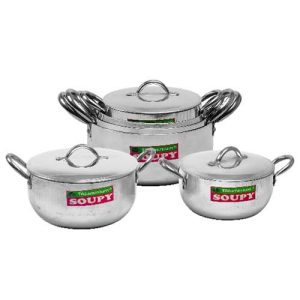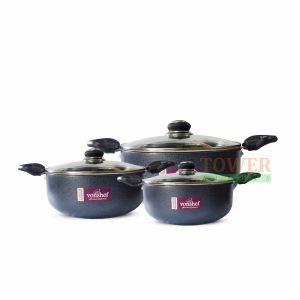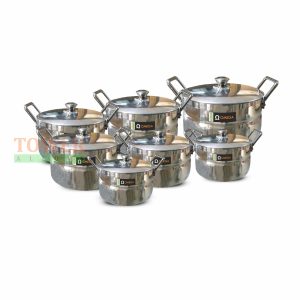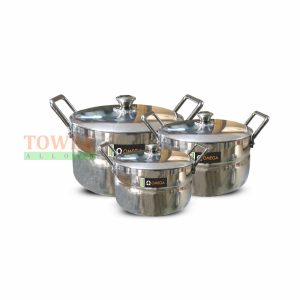
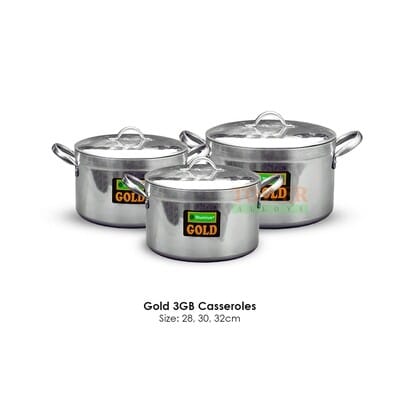

Choosing the right cookware is essential for any kitchen, and understanding the differences between aluminum and steel cookware can help you make an informed decision. Both materials have their benefits, but aluminum cookware often comes out on top for several reasons. In this blog post, we’ll explore why aluminum cookware is better than steel cookware and how it can enhance your cooking experience, complete with examples and statistics.
1. Superior Heat Conductivity
Aluminum cookware is renowned for its excellent heat conductivity. It heats up quickly and evenly, ensuring that your food cooks uniformly. According to a study by the Cookware Manufacturers Association, aluminum has a thermal conductivity rate of 237 W/mK (watts per meter per Kelvin), whereas stainless steel has a rate of only 16 W/mK. This means aluminum cookware heats up approximately 15 times faster than steel, reducing cooking times and energy consumption.
Example: When making delicate sauces or melting chocolate, the rapid and even heat distribution of aluminum cookware prevents burning and ensures smooth, consistent results.
2. Lightweight and Easy to Handle
One of the standout features of aluminum cookware is its lightweight nature. This makes it easy to handle, especially when compared to the heavier steel cookware. Aluminum cookware typically weighs about one-third that of steel cookware. For instance, a 10-inch aluminum frying pan might weigh around 2 pounds, whereas a similar steel pan could weigh over 4 pounds.
Example: When flipping pancakes or tossing stir-fry, the lightweight nature of aluminum cookware reduces strain on your wrists, making cooking more enjoyable and less tiring.
3. Cost-Effective
Aluminum cookware is generally more affordable than steel cookware, making it a great option for budget-conscious cooks. Despite its lower cost, aluminum doesn’t compromise on quality, offering excellent performance and durability. A survey by Consumer Reports found that high-quality aluminum cookware sets typically cost 20-30% less than comparable stainless steel sets.
Example: For home cooks looking to stock their kitchen with quality cookware without breaking the bank, aluminum cookware offers an economical solution that doesn’t sacrifice performance.
4. Non-Stick Properties
Many aluminum cookware pieces come with a non-stick coating, making cooking and cleanup a breeze. This non-stick surface allows for healthier cooking with less oil and makes cleaning up after meals much easier. According to a report by Grand View Research, non-stick cookware accounted for over 42% of the global cookware market in 2022, with aluminum being the most popular material due to its superior non-stick properties.
Example: Cooking scrambled eggs in a non-stick aluminum pan means no sticking and minimal oil, resulting in healthier, hassle-free meals.
5. Corrosion Resistance
Aluminum naturally forms a protective oxide layer that makes it resistant to corrosion. This means your aluminum cookware will maintain its appearance and functionality over time, even with frequent use. In contrast, untreated steel cookware can rust and corrode, especially if not properly cared for.
Example: Anodized aluminum cookware, which has been treated to enhance its natural oxide layer, is highly resistant to scratching, pitting, and discoloration, ensuring longevity and reliability.
6. Versatility
Aluminum cookware is incredibly versatile, suitable for a wide range of cooking methods including frying, sautéing, boiling, and baking. Its ability to adapt to various cooking styles makes it a staple in many kitchens. While steel cookware is also versatile, its heavier weight and slower heat response can be limiting factors for some cooking techniques.
Example: From making delicate crepes to slow-cooking stews, aluminum cookware handles a wide variety of culinary tasks with ease and efficiency.
7. Eco-Friendly Option
Aluminum is a highly recyclable material, making aluminum cookware an eco-friendly choice. According to the Aluminum Association, recycling aluminum saves more than 90% of the energy required to produce new aluminum. This reduces the environmental impact significantly compared to steel production.
Example: Choosing aluminum cookware not only benefits your kitchen but also supports sustainable practices by reducing waste and conserving resources.
Conclusion
When it comes to choosing between aluminum and steel cookware, aluminum stands out for its superior heat conductivity, lightweight nature, affordability, non-stick properties, corrosion resistance, versatility, and eco-friendliness. These advantages make aluminum cookware a preferred choice for many home cooks and professional chefs. Call to Action
Ready to upgrade your kitchen with high-quality aluminum cookware? Explore our range of Tower Alloys aluminum cookware https://www.toweraig.com/shopnow/ and experience the difference for yourself. Don’t forget to share this post with fellow cooking enthusiasts and follow our blog for more kitchen tips and trick
FAQs
Q: Is aluminum cookware safe to use?
A: Yes, aluminum cookware is safe to use, especially when it comes with a non-stick or anodized coating that prevents aluminum from leaching into food.
Q: Can aluminum cookware be used on all stovetops?
A: Aluminum cookware is compatible with most stovetops, but it’s not suitable for induction cooktops unless it has a specially designed base.
Q: How do I maintain my aluminum cookware?
A: To maintain your aluminum cookware, avoid using metal utensils that can scratch the surface, and clean it with mild soap and a soft sponge. Avoid putting it in the dishwasher if it’s not dishwasher-safe.
By incorporating these SEO strategies and focusing on the benefits of aluminum cookware, this blog post aims to rank highly on Google and attract readers looking for detailed and helpful information about cookware choices.